

What is Dump Trailer
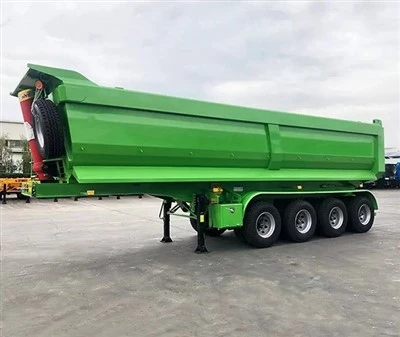
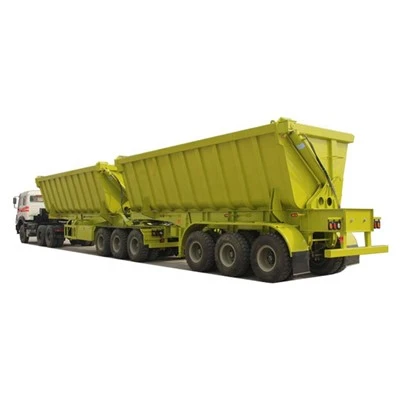
A dump truck, known also as a dumping truck, dump trailer, dumper trailer, dump lorry or dumper lorry or a dumper for short, is used for transporting materials (such as dirt, gravel, or demolition waste) for construction as well as coal.
Efficient Loading and Unloading
One of the primary advantages of dump trailers is their efficient loading and unloading capabilities. Unlike traditional trailers that require manual loading and unloading processes, dump trailers feature hydraulic systems that allow for quick and easy dumping of cargo. This saves valuable time and labor, increasing productivity and efficiency for hauling tasks.
Versatile Cargo Handling
Dump trailers are versatile tools that can handle a wide range of cargo types, including loose materials, debris, equipment, and bulk items. Whether you' re transporting soil, gravel, construction waste, or landscaping materials, dump trailers provide secure containment and efficient transport, making them indispensable for various industries and applications.
Enhanced Safety and Stability
Dump trailers are designed with safety and stability in mind, featuring robust construction and advanced engineering for reliable performance. The hydraulic dumping mechanism ensures controlled and stable dumping of cargo, minimizing the risk of accidents or injuries during the unloading process. Additionally, dump trailers offer enhanced stability during towing, providing a smooth and secure hauling experience.
Increased Payload Capacity
With their durable construction and reinforced frames, dump trailers boast impressive payload capacities, allowing them to handle heavy loads with ease. Whether you' re hauling construction materials, equipment, or debris, dump trailers offer ample capacity to accommodate your cargo needs. This increased payload capacity translates to fewer trips, reduced fuel costs, and improved efficiency for hauling tasks.
Practicality for Various Applications
Dump trailers are practical and versatile solutions for a wide range of applications, including construction, landscaping, agriculture, and waste management. Contractors use them for transporting materials to and from job sites, while landscapers rely on them for hauling mulch, gravel, and soil. Additionally, homeowners use dump trailers for DIY projects, renovations, and yard cleanup tasks, making them essential tools for property maintenance and improvement.




Why Choose Us
Our Factory
Tongya Automobile Co., Ltd. is listed among the appointed enterprises authorized by the Development and Reform Commission of China (formerly the Economy and Trade Commission of China). We are the first cooperative enterprise whose products are listed in the Public Notice on automobile refitting management. We specialize in full-size truck trailer manufacturing, integrating product design, scientific research and development, production, and sales.
Our Products
Our leading products include Tongyada brand semi-trailers, bulk cement tanker semi-trailers, fuel tanker trucks and trailers, flatbed semi-trailers, side wall semi-trailers, fence semi-trailers, low bed semi-trailers, tipper semi-trailers, water tank trucks, road sweeper trucks, and garbage collection trucks.
Product Applications
Cement tanker semi-trailer: Used for transporting cement from cement plants to mixing stations.
Fuel tanker semi-trailer: Used for transporting fuel from oil companies or oil depots to fuel stations.
Flatbed semi-trailer: Used for transporting containers, sand, stone, bagged goods, pallets, fruits, vegetables, etc.
Our Certificates
"Taishan Quality" Certificate, Certificate of High & New Technological Enterprise, Environmental Management System Certification, Occupational Health Safety Management System Certification, China Famous Brand, Export Enterprise Registration Form, CCC
Different Types of Dump Trailers
Single Axle Dump Trailers
Ideal for smaller jobs, these trailers are compact and easy to maneuver. They are well-suited for homeowners and smaller landscaping or construction projects.
Tandem Axle Dump Trailers
These trailers offer increased load capacity compared to their single-axle counterparts. They are versatile and can handle a wide range of materials, which makes them a popular choice among contractors.
Gooseneck Dump Trailers
Gooseneck dump trailers are known for their stability and higher payload capacity. They are often used in heavy-duty applications and are compatible with larger trucks.
Deck-Over Dump Trailers
These trailers have a deck that sits over the tires, providing a wide and flat load space. They are suitable for hauling large and bulky items, such as equipment and machinery.
Dump Trailers with High or Low Sides
For jobs that require the containment of materials, dump trailers with high sides are the perfect choice. They prevent materials from spilling over during transport. You can also find low-sided dump trailers. These types of dump trailers provide increased visibility and have reduced wind resistance, which can make them more cost-effective.
Dump Trailer Accessories
Customize your dump trailer with accessories such as mesh sides, ramps, and tarp kits to meet your needs.
Top 5 Things to Consider When Buying a Dump Trailer
Weight and Capacity
Dump Trailer MDD816-10What capacity does your tow vehicle have? If you are uncertain, check the owner' s manual. It will tell you exactly how much you can pull with the vehicle. Keep in mind that this capacity includes the weight of the trailer.
Think about the maximum cargo load you are likely to need or haul. Perhaps you plan to pull a side-by-side or some lawn equipment.
Alternatively, you may be planning to pull gravel or other construction materials. Not only do you need a trailer that can handle the load capacity you want to haul, but your towing vehicle needs to be able to pull both the trailer and the load. Unsurprisingly, the lighter the trailer you have, the more cargo weight you can carry. Make sure the trailer is rated for the weight of the load.
Size
Think about what you plan to carry and how large that cargo is. If you are pulling an ATV, that is significantly smaller than a skid steer in most cases. Additionally, you need to consider the types of roads you will be driving on. If you expect to be in a lot of tight situations, you likely want a smaller trailer, but if your load is high profile, you need a trailer that can carry it properly.
Material
You can usually choose between trailers made of aluminum, steel or galvanized steel. While the latter two are less expensive in most cases, aluminum is the superior choice. It is lighter and more resistant to corrosion and rust. Better yet, when you choose a Millroad trailer, the aluminum is just as strong as a steel trailer. You can' t go wrong with aluminum. It is low-maintenance, light, durable and strong.
Lifting Mechanism
Think about the lifting mechanism you need for your dump trailer. Most importantly, you need to know how much weight the mechanism can handle and how easy it is to maintain. Millroad uses premium hydraulic cylinders that offer excellent load capacity but are strong and easy to maintain.
Design Options
Finally, consider the other features you want from your dump trailer. For example, you need appropriate axles to be able to handle your desired cargo. Smaller trailers may be okay with a single axle; however, dual axles are needed to take on larger loads.
You may also want to think about the height of the sidewalls. For carrying vehicles and heavy equipment, a flatbed may be sufficient. For gravel or other material, you may need high side walls. Lower walls are typically more flexible but can' t contain as much loose material.
Some other features you may want to think about include ramps or wheels. Some trailers include built-in brakes. There are many different options to choose from.
3 Common Uses For a Dump Trailer
Dump trailers are excellent tools for collecting, removing, and transporting materials — it is what they are designed to do. Because of the unique design of these trailers, you can make a lucrative business out of junk collecting. Every state has countless people who can benefit from access to a dump trailer, especially hoarders.
Even if an individual does not meet the clinical expectations of a hoarder, they may want to clear out their house, garage, attic, or other property or structure. Unfortunately, cleaning things out requires access to dumpsters or other waste removal containers.
While a dumpster is an okay option for junk removal, a dump trailer is better suited to individual cleanouts. The low sides allow for risk-free disposal, meaning less chance of injury. Additionally, you can leave your trailer with a homeowner and have them call when it is ready to be hauled away.
When considering alternative jobs for your dump trailer, you might not immediately think of snow removal, but it is another lucrative option. Most people write off snow removal because they believe most HOAs and cities have snowplow services to handle clearing the roadways. However, snowplows are excellent pushers, not removers.
A snowplow clears the main path of a roadway by diverting the snow to either side of it. Unfortunately, that still means that most of the snow is at the curbs. Sometimes, cities will experience heavy snowfalls, making it difficult for plows to find enough of a clearing for the snow on the street. In such situations, the cities will need to call in a snow removal service.
You can be that snow removal service. Your trailer provides enough space and strength to transport loads of snow to other areas where it will not interfere with city operations.
From snow to junk hauling, dump trailers are versatile and potentially lucrative tools. Another way you can use your trailer in the spring through the fall is to piggyback on other small businesses, such as landscaping services.
Some small landscaping operations will not have access to a dump trailer. Trailers are beneficial to landscapers because they provide an option for transporting soil, rock, plants, mulch, etc. Even larger operations might outsource some transportation work to smaller dump trailer services for local work.
How to Safely Operate Your Dump Trailer
Some Common Risks
Using dump trailers carries a level of risk, but most of these are avoidable as long as you take time to assess each situation and follow some practical steps.
Tipping Over
There is some risk that the truck and trailer may tip over while you' re unloading. Park your trailer on as flat a surface as possible to avoid this happening. When the dump mechanism is lifted, the center of gravity of the load must stay between the frame rails. Be more cautious when there are high winds or else postpone the unloading entirely, since a raised dump trailer is more prone to lateral pressure.
Sudden Bed Lowering
Another risk while working with dump trucks is workers getting crushed under a bed that suddenly collapses back into place. This occurs either due to human carelessness or because the lift mechanism becomes weak after continuous overloading. Ask your dump truck dealer to install a lift arm to keep the bed in place, and always engage the lift arm before stepping under the bed. Workers should coordinate well and not press any levers or remote controls without warning.
Overhead Wires Contact
At times, a trailer can come into contact with overhead power lines. If the driver stays in the cab, there' s no fear of electrocution because the tires provide insulation. However, that means anyone in actual contact with the trailer is in danger. To avoid such mishaps, know the height of your trailer when raised. If the trailer does come into contact with exposed wires, the driver should remain inside the cab.
Safe Loading & Unloading Practices
To ensure no accidents occur, know the weight capacity of your dump trailer and only load an amount it can handle. Spread the cargo evenly throughout the bed. If the load doesn' t flow out easily, place more of it towards the rear of the bed. Try and keep your tow vehicle and dump trailer in as straight a line as possible. Ensure that the dumping area doesn' t have any objects or people on it before unloading and only unload onto smooth, even ground. If you' re working after sunset, there should be sufficient lighting to avoid mishaps.
Maintenance Points
A dump trailer is a hassle-free piece of equipment but you can take some maintenance steps to ensure that it stays in good shape. Always engage the lock arm before you step under an upraised trailer. Check the tire pressure, lift hydraulics and suspension system regularly. To ensure smooth movement, keep all pins and bushings lubricated.
When performing repairs to the bed, make sure that the space on the sides and the bottom stay clear, as these spaces are necessary for the free flow of material. Part of your maintenance is also making sure the driver is knowledgeable about the various risks and safety precautions. They should work in tandem with other workers and know all the necessary hand signals for communication while the vehicle is in motion.
Components of Dump Semi Trailer
Chassis: The chassis is the framework of the dump semi trailer that supports the engine, cab, and dump body. It is typically made of steel and designed to withstand the heavy loads and rough terrain associated with dump semi trailer operations.
Engine: The engine is the power source of the dump semi trailer, and provides the energy required to move the dump semi trailer and operate the hydraulic system that raises and lowers the dump body. Dump semi trailers are typically powered by diesel engines, which are known for their high torque and durability.
Cab: This is where the driver sits to operate the vehicle and contains all the controls for driving and operating the dump body.
Dump body: The dump body is the container that holds the material being transported. It is typically made of steel or aluminum and is designed to be raised and lowered by hydraulic cylinders. Dump bodies come in a variety of sizes and shapes, depending on the type of material being transported.
Hydraulic system: This system is responsible for raising and lowering the dump body. It consists of a hydraulic pump, hydraulic fluid, hydraulic cylinders, and control valves. When the driver activates the hydraulic system, the pump sends fluid to the cylinders, which extend and lift the dump body.
Suspension system: The suspension system is responsible for supporting the weight of the dump semi trailer and its load, as well as providing a comfortable ride for the driver. It typically consists of springs, shock absorbers, and other components that absorb shocks and vibrations.
Tires: A dump semi trailer requires heavy-duty tires that can handle its weight plus its load, as well as the rough terrain associated with dump semi trailer operations. Tires provide the traction and stability.
Tailgate: This rear panel of the dump body can be opened to release the load.
Dump Truck Preventative Maintenance Checklist
Check the Fluids
A dump truck's fluids (engine oil, transmission oil, coolant, and hydraulic oil) are its lifeblood, so check them regularly. They keep internal parts lubricated, reduce friction, and prevent overheating. Failure to monitor these important fluids can spell disaster during the workday.
Measure Tire Pressure
Tires are your dump truck's point of contact with the ground. Inadequate tire pressure causes uneven wear, reduced traction, and can lead to accidents. Check tire pressure with a reliable tire pressure gauge and inflate your tires to the manufacturer's recommended level. This simple action can prevent blowouts and increase fuel efficiency.
See if the lights are still on
Another important step in your dump truck's preventative maintenance checklist is making sure your vehicle's lights are working properly. Functioning headlights, taillights, and signal lights are essential for visibility and safety, especially in low-light conditions. Routine inspections ensure your truck's lights are working properly so you can signal others on the jobsite and on the road.
Make Sure Your Brakes Are Working Properly
Brakes are the heroes of vehicle safety. Their quick response can mean the difference between a "near miss" and a catastrophic collision. Regular brake inspections should include checking the wear of your brake pads and rotors. Doing so ensures your vehicle can stop effectively and prevents damage to other components in the brake system.
Check the Hydraulic System
The hydraulic system is the force behind your vehicle's dumping operation. Ensuring they are leak-free and maintain adequate pressure is critical to smooth operation. Regular inspections and timely repairs to hydraulic components will help you avoid operational delays and protect your truck from system failures.
Check and Tidy the Truck Bed
Don't neglect truck bed cleanliness! Removing debris, dirt, and residue from your truck bed preserves its condition and functionality. A clean bed also reduces the strain on the truck's hydraulic system during lifting and reduces the risk of corrosion over time.
Our Factory
Tongya Automobile Co.,Ltd is listed among appointed enterprises to produce and refit automobile approved by Development and Reform Commission of China ( former Economy and Trade Commission of China), the first cooperation enterprise with its products listed in Public Notice on automobile refitting for management. We are the full-size manufacture truck trailer enterprise which integrate the design of product, scientific research developing, production and sale together.


Certifications
"Taishan Quality" Certificate, Certificate of High & New Technological Enterprise, Environmental Management System Certification, Occupation Health Safety Management System Certification, China Famous brand, EXPORT ENTERPRISE REGISTRATION FORM,CCC


FAQ
We're well-known as one of the leading dump trailer manufacturers and suppliers in China. Please feel free to buy high quality dump trailer at competitive price from our factory. For customized service, contact us now.
used semi race trailers, mining water cart, water tanker 6000 ltr